Dari
Real Estate
Web
Mobile
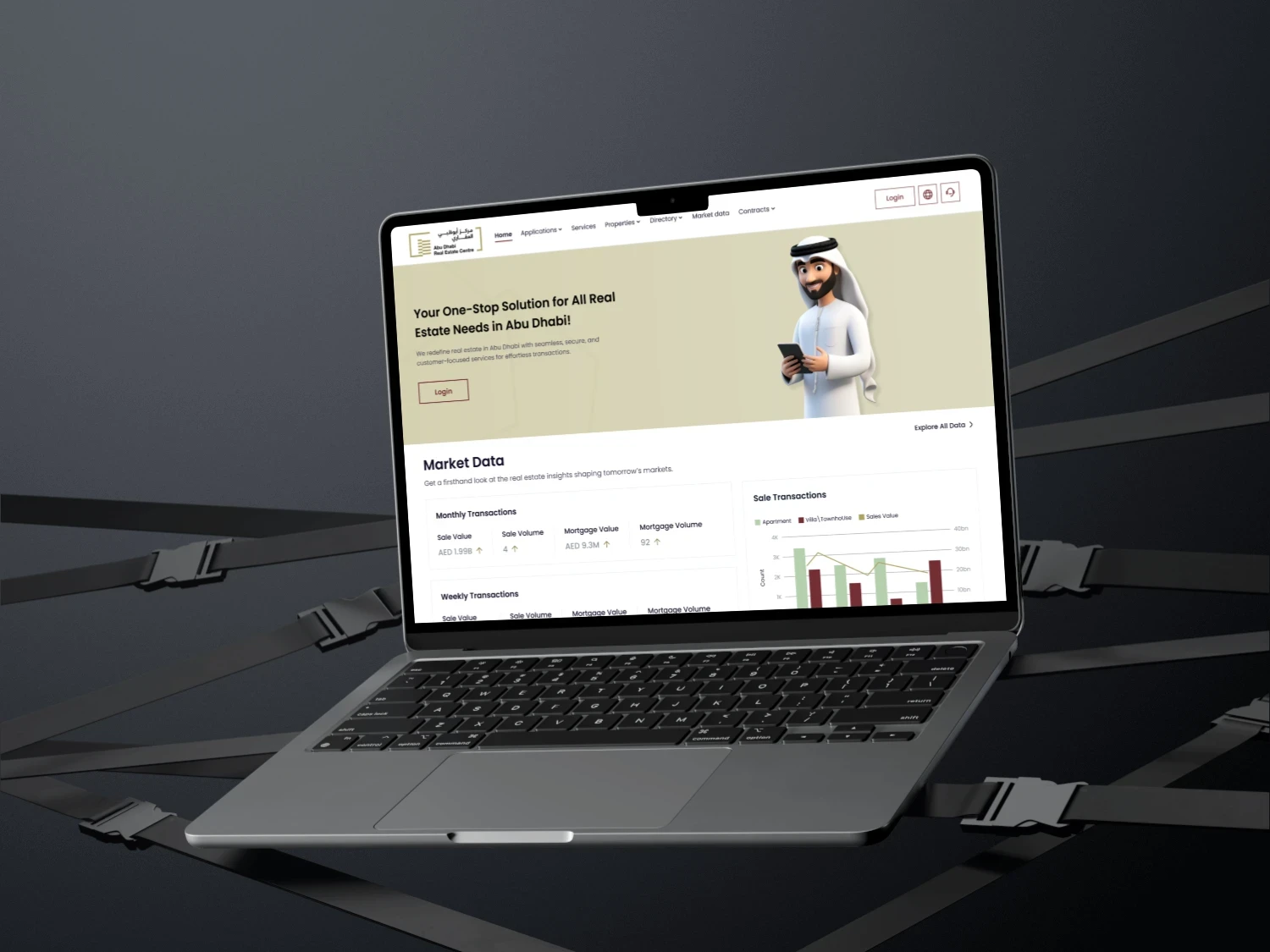
Empowering Abu Dhabi's Property Landscape Through a Unified Digital Ecosystem
Year
2022 - 2024
Role
Product Designer

Vision
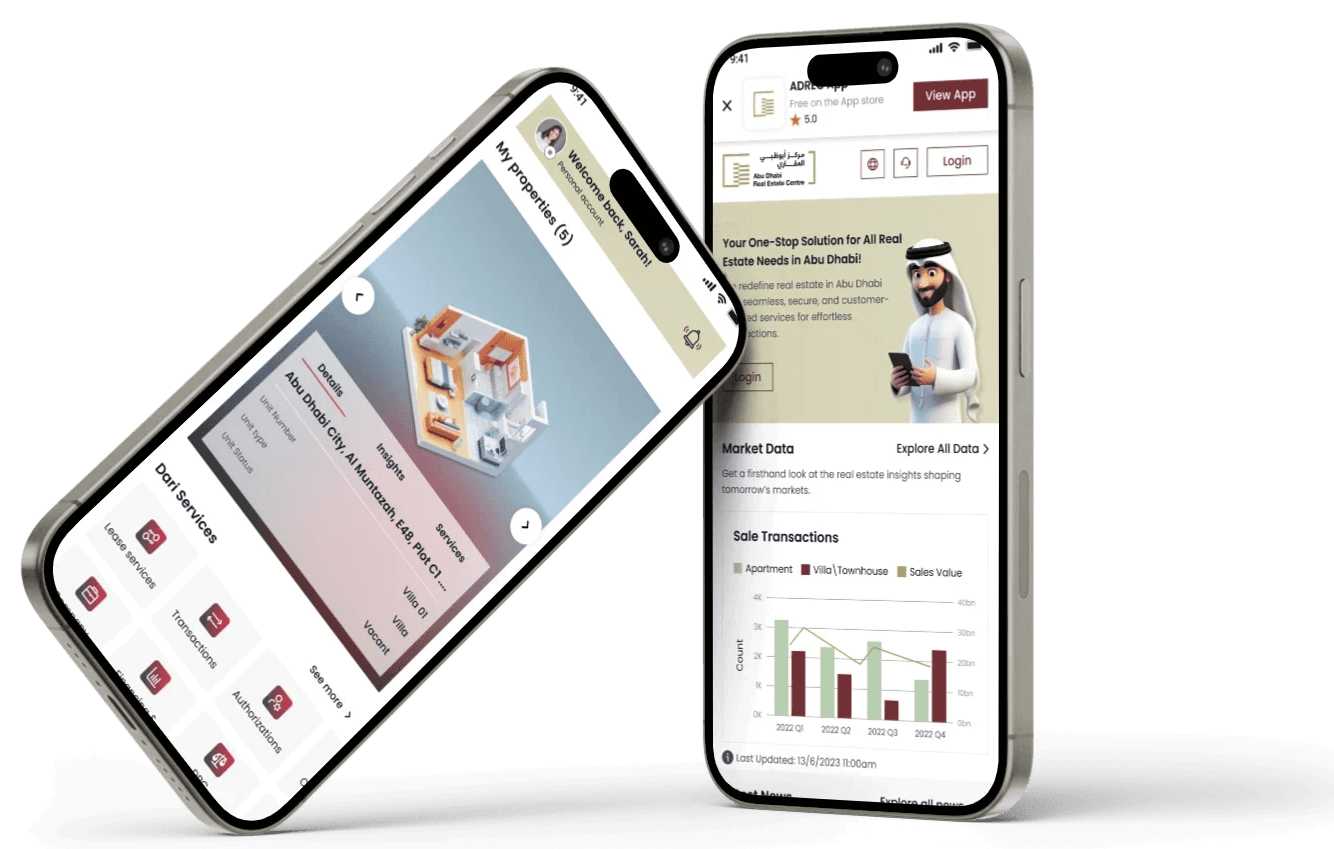
Our vision was to create 'Dari' – a comprehensive digital ecosystem that would serve as the central hub for all property-related matters in Abu Dhabi. This involved designing intuitive and accessible experiences for both the public (B2C) and Abu Dhabi Municipality employees (B2B), encompassing a vast array of services and ensuring seamless integration across desktop and mobile platforms.
Challenge
Abu Dhabi's property sector, while dynamic, faced challenges with fragmented information access and disparate service delivery. Citizens, residents, and businesses encountered complexities in navigating various property-related processes, from searching for properties and managing leases to accessing municipal services. The Abu Dhabi Municipality recognized the need for a unified digital platform to streamline these processes, enhance transparency, and foster a more efficient and user-friendly ecosystem
Understanding User
We initiated the project with extensive user research, including stakeholder interviews with Abu Dhabi Municipality officials, contextual inquiries with potential B2C users, and surveys to understand their needs, pain points, and expectations across the entire property lifecycle. This foundational research informed our understanding of diverse user segments, from first-time homebuyers to seasoned property investors and municipal employees handling citizen requests.
Information Architecture and Navigation Strategy
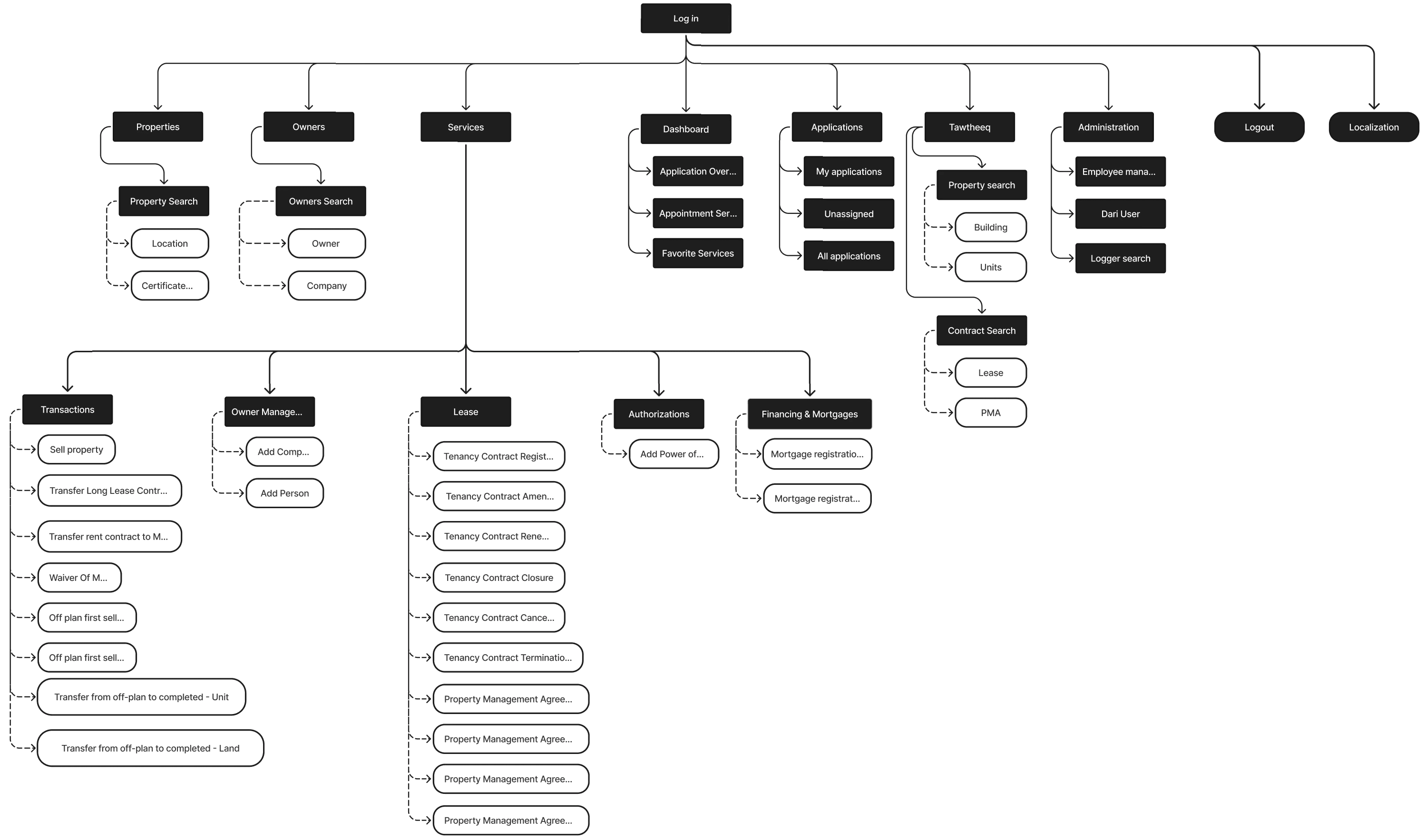
Tackling the complexity of 132 services required a meticulous approach to information architecture. I led the effort in organizing the vast amount of content and functionalities into logical categories, designing intuitive navigation systems for both the B2C and B2B applications. This involved card sorting exercises, tree testing, and the creation of detailed sitemaps to ensure users could easily find the information and services they needed
Establishing a Unified Design Language System
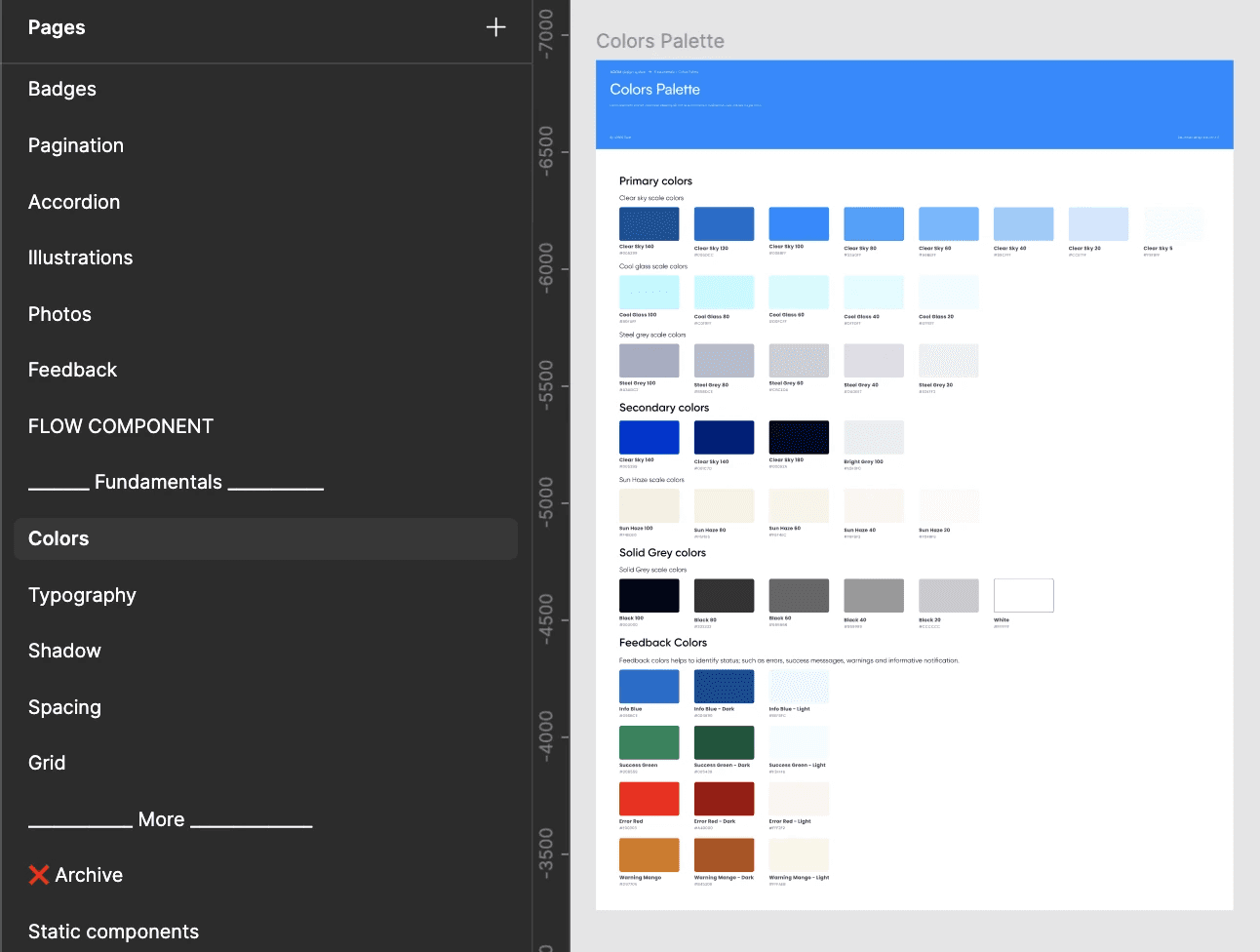
To ensure a consistent and cohesive experience across 132 services and multiple platforms (desktop and mobile), I championed the creation of a comprehensive design language system. This included defining clear guidelines for typography, color palettes, iconography, component libraries, and interaction patterns. This system served as the bedrock for scalability and maintainability throughout the project lifecycle.
Iterative Prototyping and Testing
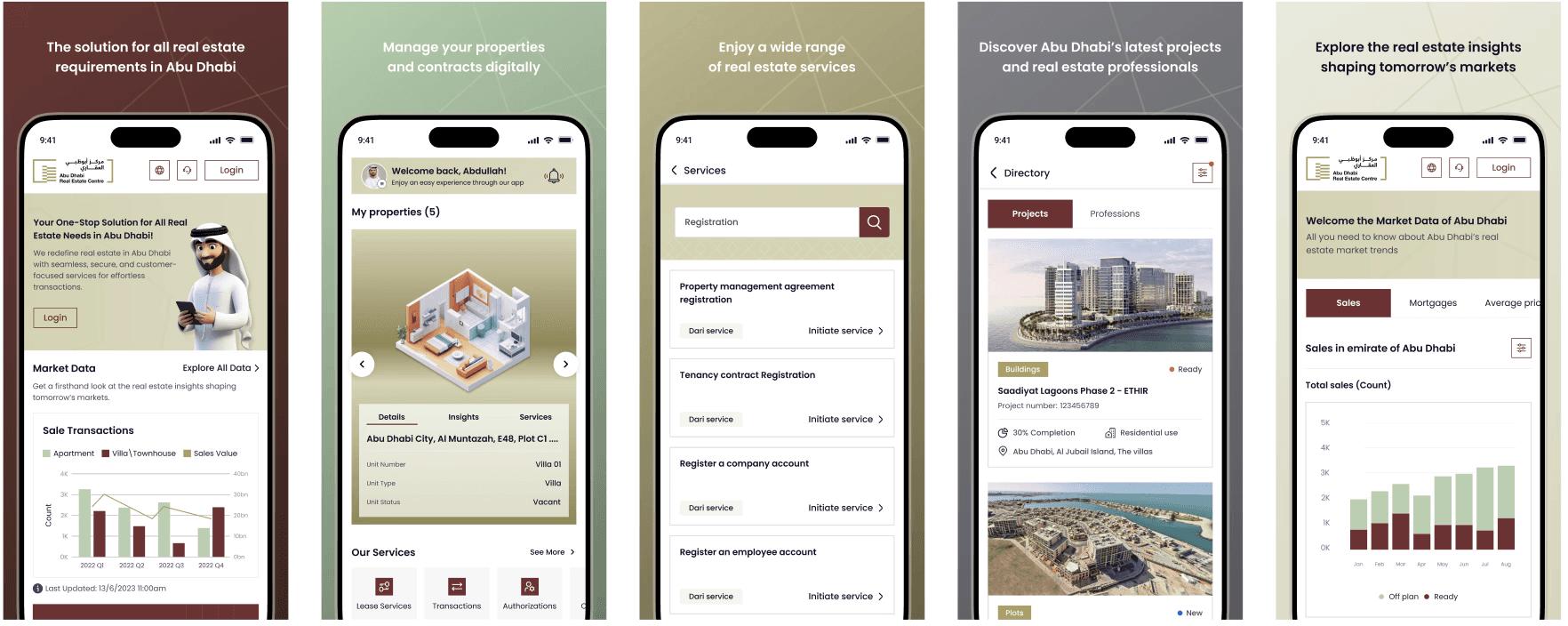
We adopted an agile methodology with iterative design and development cycles. I led the UX team in creating prototypes of varying fidelity, from low-fidelity wireframes to interactive high-fidelity mockups. Rigorous usability testing was conducted with target users at each stage to validate design decisions, identify usability issues early on, and ensure the solutions effectively addressed user needs. This iterative approach allowed us to adapt and refine the design based on real user feedback
Coordination and Collaboration: Bridging Disciplines
The successful development of Dari relied heavily on seamless collaboration across multidisciplinary teams. My role involved:
Facilitating Cross-Functional Communication
Aligning Design with Business and Technical Requirements
Championing Accessibility and Inclusivity
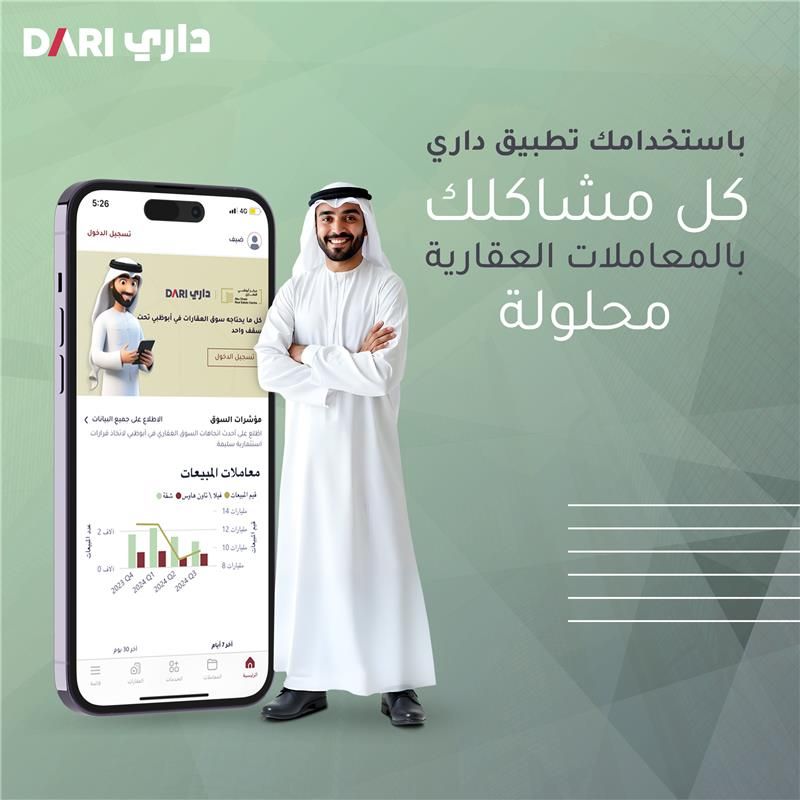
Seamless Mobile Experience
Recognizing the importance of mobile accessibility, we ensured a fully responsive design for the B2C platform and a dedicated mobile-first approach for key back-office functionalities. This allowed users and municipality employees to access essential services and information anytime, anywhere.
Efficient B2B Back-Office Application
The back-office application for Abu Dhabi Municipality employees was designed to optimize their workflows for managing walk-in customer requests and processing services. Key features include a centralized dashboard for managing cases, efficient search and filtering capabilities, digital forms with built-in validation, and clear process flows to ensure efficient service delivery.

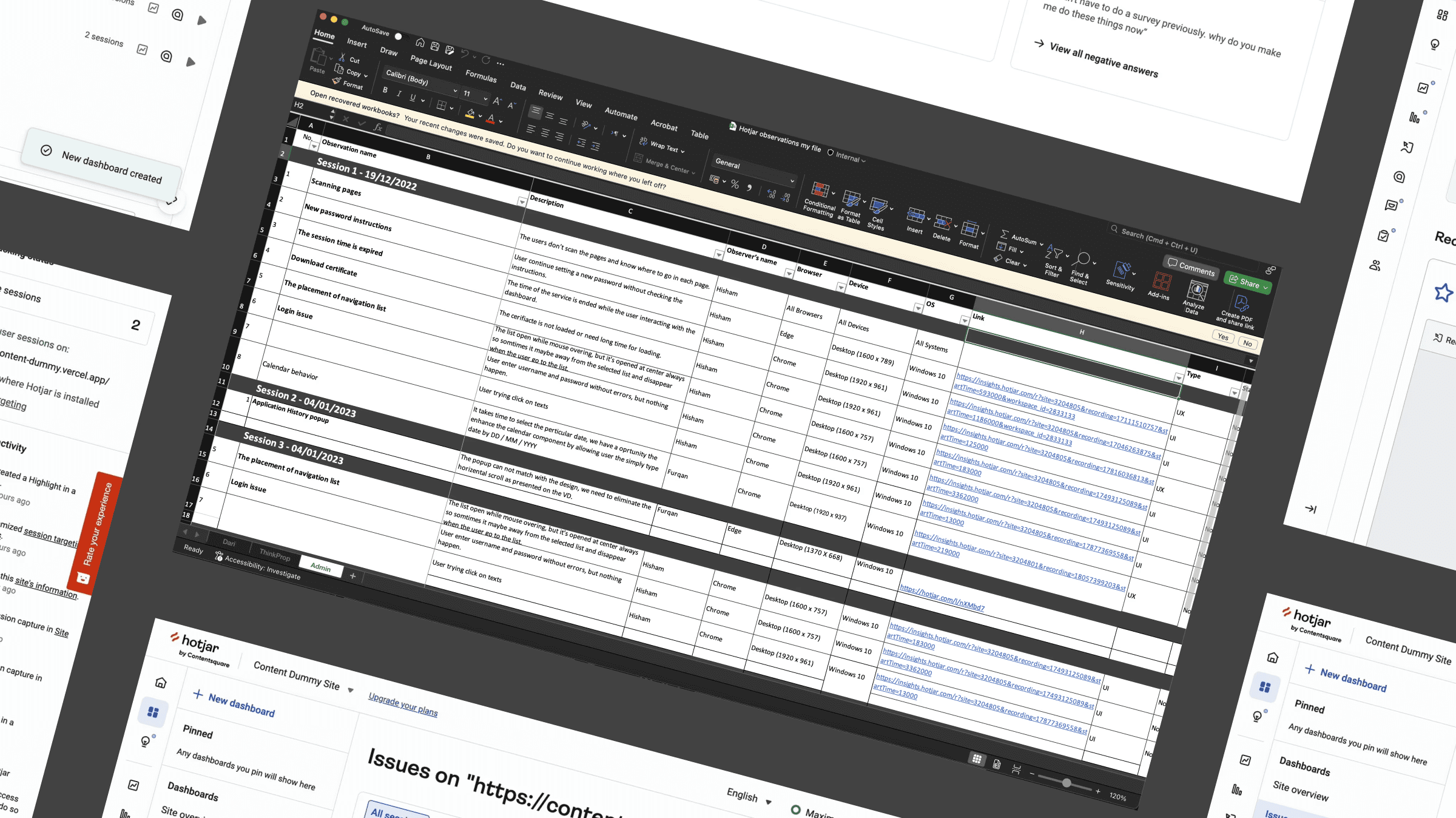
Continuous Monitoring and Optimization
Post-launch, we established a robust system for continuously monitoring user behavior and platform performance. By leveraging tools like Google Analytics and Hotjar, we actively tracked key metrics, identified user pain points, and gained valuable insights into how users interacted with the 132 services. This data-driven approach allowed us to make informed decisions for ongoing optimization, ensuring that Dari remained aligned with user needs and continued to evolve effectively.